

Guide
What "No Purchase Necessary" Really Means
It's on every sweepstakes for a legal reason, and it's one of the best clues that a giveaway is real. Here's what it actually means for you.

It's a legal requirement, not marketing. A sweepstakes can't make you buy anything to enter, so there's always a free way in, and buying never improves your odds. Here's what it means for you.

Photo: Lisett Kruusimäe / Pexels
What "no purchase necessary" means
It means what it says: you can enter, and win, without spending a cent. The phrase exists because a promotion with a prize, a random winner, and a required purchase is legally a lottery, and only governments can run those. To stay a legal sweepstakes, the sponsor has to offer a free way to enter, and "no purchase necessary" is how they declare it. It's not marketing fluff. It's a legal requirement.
As you read this, we're tracking 1,090 live giveaways across 15 categories, each scored the same way.
Can a sweepstakes require a purchase?
No, not a real one. If a promotion picks its winner by chance, it can't legally make you buy something to enter. A skill contest is different (a photo, a recipe, an essay judged on merit), and because the winner is chosen on skill rather than luck, those can sometimes attach entry conditions. So the rule of thumb is simple. If a random-draw "giveaway" demands a purchase or payment to enter, something is wrong. Either it isn't a real sweepstakes or it's breaking the law. Walk away.
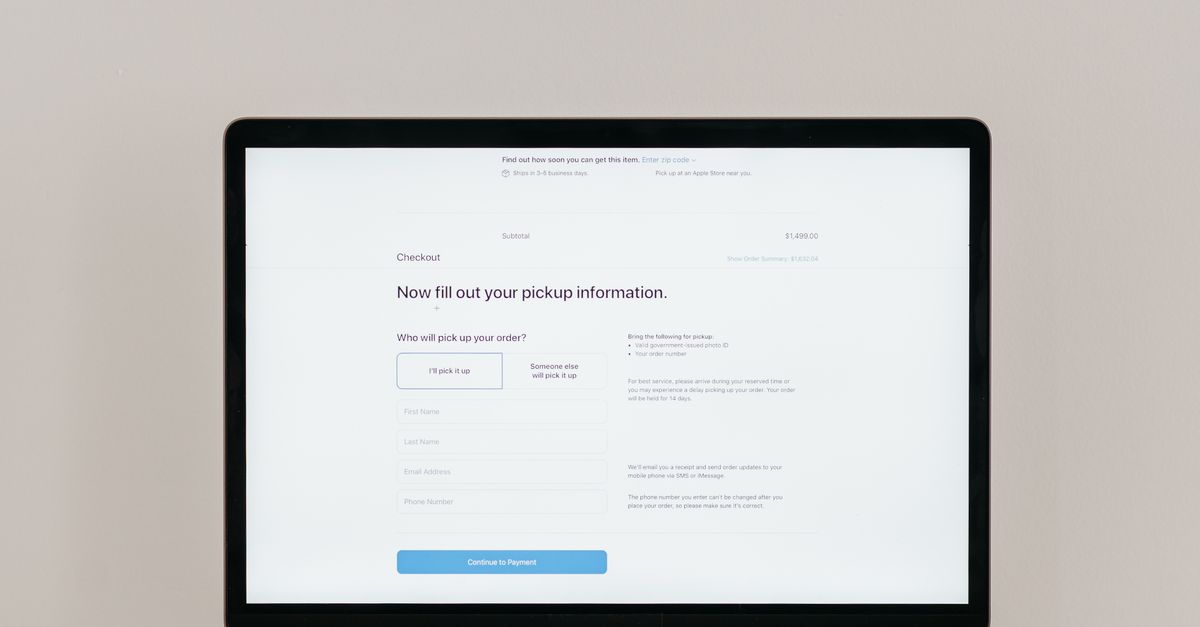
Photo: Pavel Danilyuk / Pexels
How to enter without buying anything
Every legitimate sweepstakes has a free alternate method of entry (AMOE). It usually takes one of these forms:
- A free online entry form, the most common one, where you submit your name and email.
- A mail-in entry: handwrite the required details on a card and mail it to the address in the rules. Tedious, but free and fully valid.
- A free in-app or social action like following, commenting, or filling a form with no purchase attached.
The official rules always spell out the free route. If you can't find one anywhere in the rules, treat that as a red flag, not an oversight.
Does buying something improve my odds?
No. By law, a free AMOE entry has to have the same chance of winning as a purchase-based one. That's the whole point of "no purchase necessary." So when a brand offers a paid entry route next to the free one, the paid entry buys you the product, not better odds. Never spend money expecting it to raise your chances in a legitimate sweepstakes, because it won't.
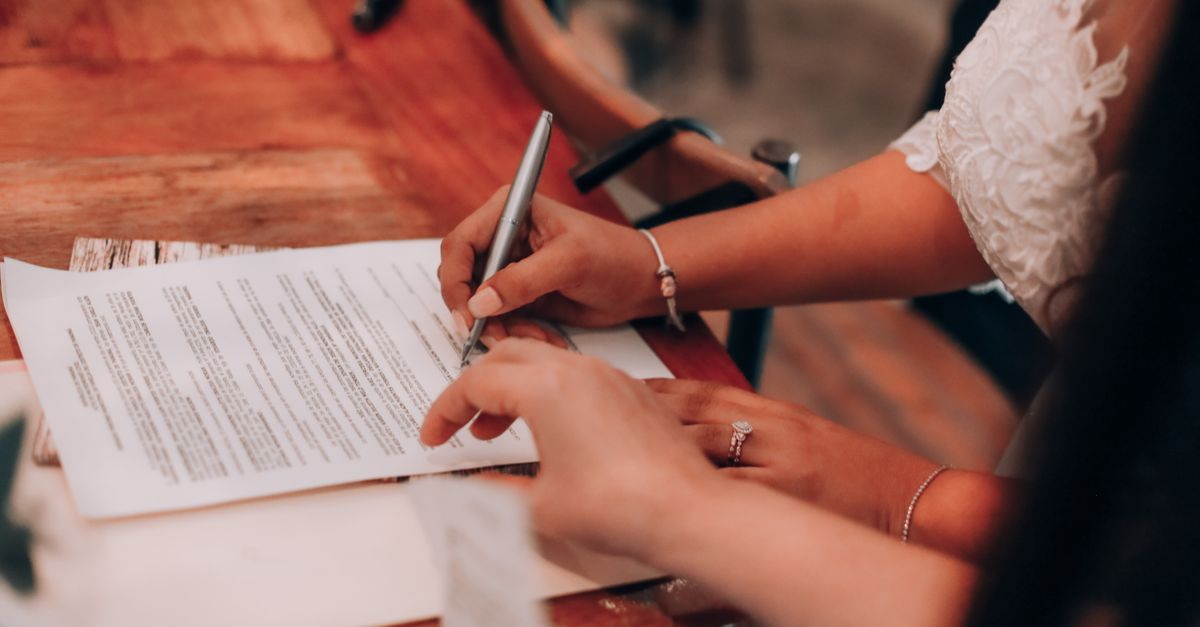
Photo: Luis Quintero / Pexels
When "free" is actually a trap
Scams love the word "free" too. The tell is the claim step. A real giveaway is free to enter and free to claim, while a fake one lets you "win" for free, then asks for a "shipping fee," "taxes," or your card details to release the prize. Free to enter but pay-to-claim is the oldest sweepstakes scam there is. Our guide on spotting fake giveaways covers the rest of the signals.
How VibeWin uses this
Free entry is table stakes for the giveaways VibeWin tracks. It scores each one on prize value, estimated odds, and effort, and links you straight to the official entry page, so you spend your time on the ones worth it. Browse the scored list and enter with confidence.