

Guide
Best odds sweepstakes: what to filter for
Better odds usually come from smaller eligible entry pools, clear entry limits, multiple prize slots, and giveaways that are worth the time required to enter.

The best odds sweepstakes are not the biggest prizes by default. Look for random drawings with clear entry limits, more than one winner, separate entry periods, and a manageable entry method. In VibeWin's tracked catalog, only 4% of scored giveaways are strong picks, so filtering matters.
Best odds sweepstakes are giveaways where your practical chance is helped by the size of the eligible entry pool, the entry rules, and the number of prize slots, not by the prize looking expensive. For most random drawings, official rules say odds depend on the total number of eligible entries received.

Photo: Towfiqu barbhuiya / Pexels
That means the useful question is not, "Is this prize big?" It is: how many valid entries can exist, how many winners are drawn, and how much work does each entry take? VibeWin tracks those signals across its scored giveaway catalog and sends readers toward active giveaways that are easier to compare.
What better odds really mean
In a legitimate sweepstakes, the winner is usually chosen by random drawing from eligible entries. One official rules page phrases the odds standard plainly: odds depend on the total number of eligible entries received.
So a better-odds search should start with entry pool clues. A giveaway with a clear one-entry limit has a different shape from one that allows unlimited entries. A promotion with 30 winners has more winning slots than a single-prize drawing. Some rules split drawings into separate entry periods and say non-winning entries do not roll over.
None of that guarantees a win. It gives you a cleaner way to compare sweepstakes before you spend time entering them.
A quick checklist for finding better-odds sweepstakes

Photo: RDNE Stock project / Pexels
Use this checklist before you enter. It fits directory-style browsing because you can scan the rules, then decide whether the giveaway deserves a spot in your queue.
- Look for a stated entry limit, such as one entry per person, email address, or household.
- Check whether there are multiple winners. More prizes mean more winning slots.
- Read whether entries are combined into one pool or split by entry period.
- Watch for unlimited-entry rules. They can make the pool harder to reason about.
- Make sure the entry method is free. The FTC says real sweepstakes are free and by chance.
Donation sweepstakes need a closer read. Some combine donation entries and free alternate-method entries into one pool, while some rules say free entries equal or exceed the entries available at the typical donation level. The pool still matters.
What VibeWin's tracked data says
VibeWin's current scored catalog has 1,000 tracked giveaways. Only 4% are strong picks, using the site's score threshold of 82 or higher. That is the useful lesson: most open giveaways are not the obvious best use of your time.
The catalog covers 15 categories. Gift cards are the largest slice at 261 giveaways, or 26%. Travel follows with 216, or 22%. Tech has 80, home has 57, food has 48, local events has 41, cash has 33, and gaming has 31.
Category is a filter, not a verdict. Start with the type of prize you actually want, then sort by score or scan the best giveaways so odds, effort, and value are compared together.
How expected value fits the search
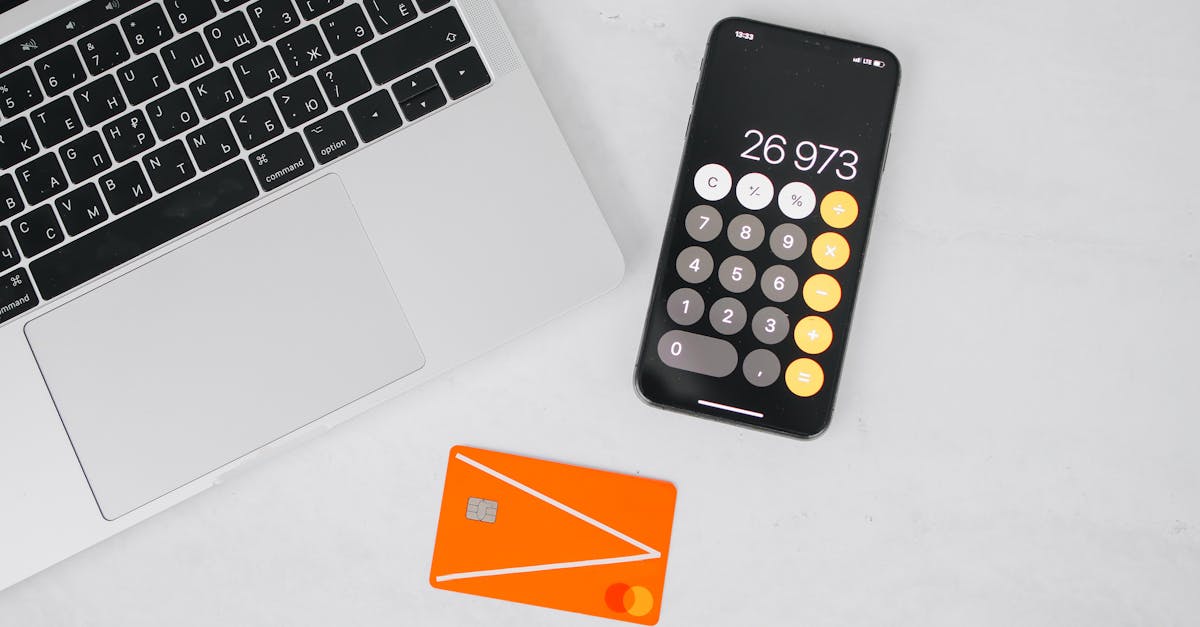
Photo: Polina Tankilevitch / Pexels
Expected value is one way to keep "best odds" from turning into pure guesswork. In VibeWin's tracked catalog, 80 giveaways currently have estimated expected value data, with an average of $8.57, a median of $0.99, and a maximum of $194.58.
That does not mean you should chase the biggest number blindly. It means EV is a filter you can use alongside entry limits, prize slots, eligibility, and effort. VibeWin's score explainer shows how those signals are combined into one ranking.
Good signs and red flags
Good signs: free entry, random drawing language, clear eligibility, a clear entry cap, multiple winners, and rules that explain how entries are counted.
Red flags: paying to receive a prize, vague drawing terms, unclear eligibility, or claims that a purchase improves your chance. The FTC treats paying to get a prize as a scam warning sign, and ANA guidance says sweepstakes should not claim purchasers have a better chance of winning.
For a practical shortlist, start with the live giveaway directory, filter by category or eligibility, then open the rules before entering. The best odds sweepstakes are the ones whose rules give you enough information to compare the pool, the prize slots, and the effort honestly.